Eye-tracking Architecture at Ux+Design/2019 Conference

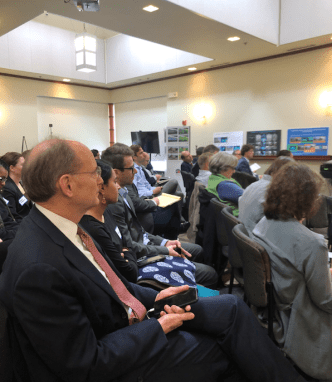
Thanks to the attendees and presenters at Ux+Design/2019, the 1st International Conference on Urban Experience and Design on April 26 at Tufts University. This conference brought together creative thinkers from around the world who are shaping ‘evidence-based’ design practices, ones that embrace the hard data of our ‘unconscious’ responses to external stimuli.ETBostonStateHouse

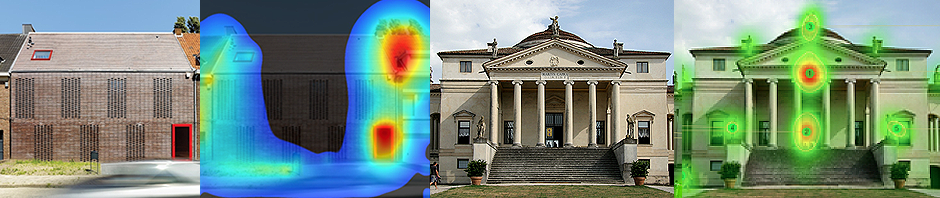
At the conference, we showed pictures of eye-tracked buildings in Boston and Somerville to show what really draws people to buildings and how our brains are set-up to take in their surroundings.

ETBostonCityHallMayor

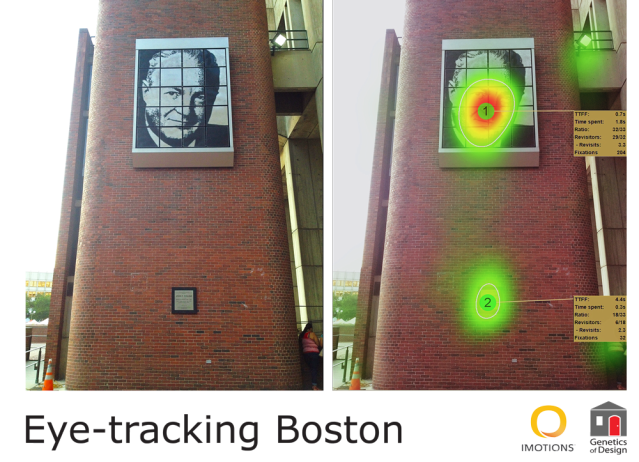
On display were photos like this of former Mayor John F. Collins (1960-1968), immortalized on the south side of Boston City Hall. The heat map (at right) glows brightest where people look most, showing how they head straight for the mayor’s face within 7/10’s of a second (TTFF or Time To First Fixation is 0.7s), and keep focusing on it in the seconds that follow – they simply can’t help it!

And, in Somerville, the photos below, of the view exiting the Davis Square T, show how people tend to focus on the building edge and tree at far right—not at all on the blank wall in front of them. Their behavior totally changes, however, if the building’s decorated with wonderful art, like the Matisse print below. Then, they can barely take their eyes off the structure.

ETSomervilleT

Key takeaways from our conference were how ‘unconscious’ processing, outside of our awareness, directs behavior in the built environment—and that includes how our eyes move when first presented with new stimuli. We demonstrated how biometric tools, such as eye tracking, can predict behavior—determining how we ‘approach’ or ‘avoid’ architecture without ever thinking about it. The blank wall greeting transit riders exiting Davis Square station, for instance, is ‘avoidant’ and always will be (unless it’s painted with great art!). And as for Boston City Hall? The mayor’s face, at least, if not the architecture, is totally approachable.

For more information on the Ux+Design conference, click here.

Posted in Architecture, City Planning, Design, Eye Tracking, People-centric Design, STEM, Walkability | Tagged , | Leave a comment

‘The Postcard Test’ in Copenhagen + beyond

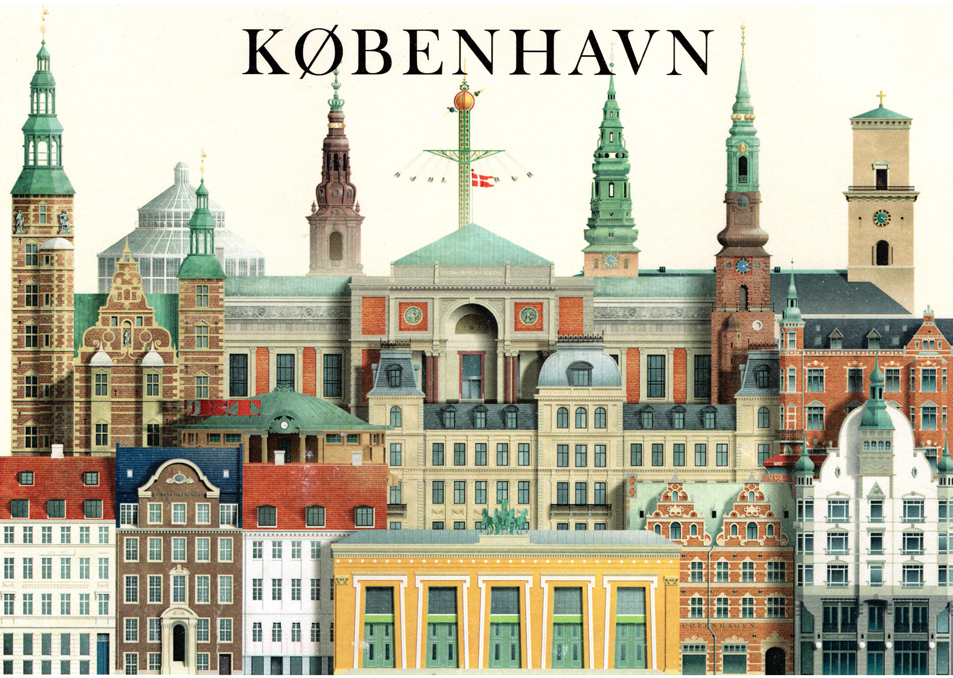
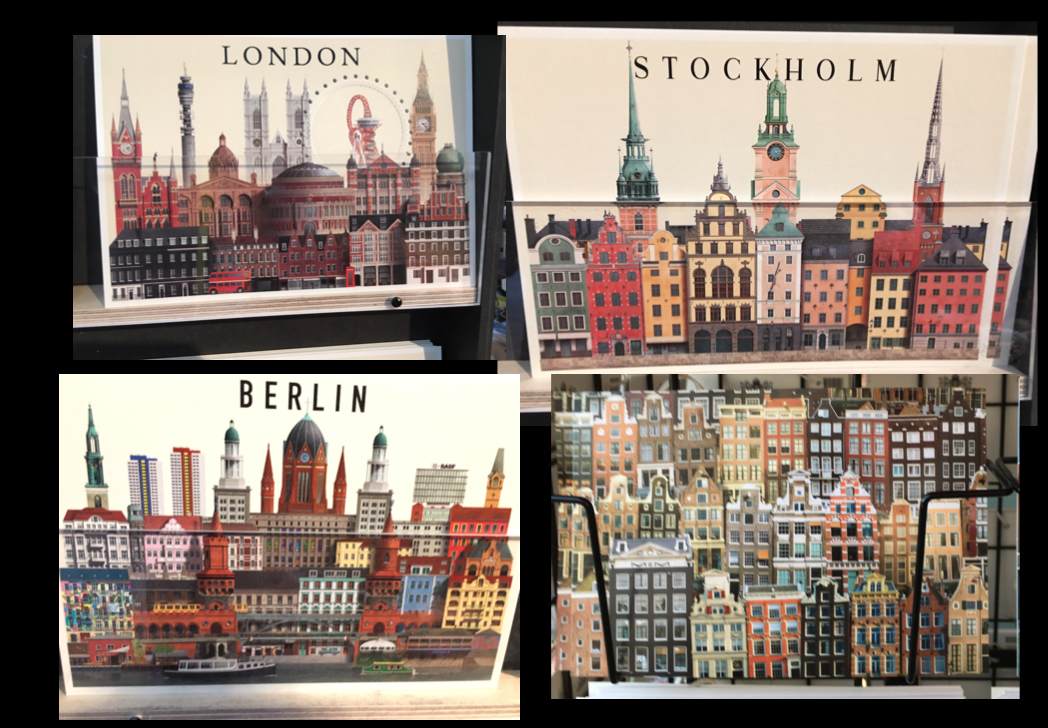
Screen Shot 2019-03-27 at 4.05.02 PMIf you want to know which buildings attract people in cities—head to the postcard rack. The postcard above is from Copenhagen by Danish illustrator, Martin Schwartz, who’s created a series that capture “the soul of a city in a single print.” The cards below are for sale in Amsterdam:
Screen Shot 2019-03-27 at 3.56.49 PM

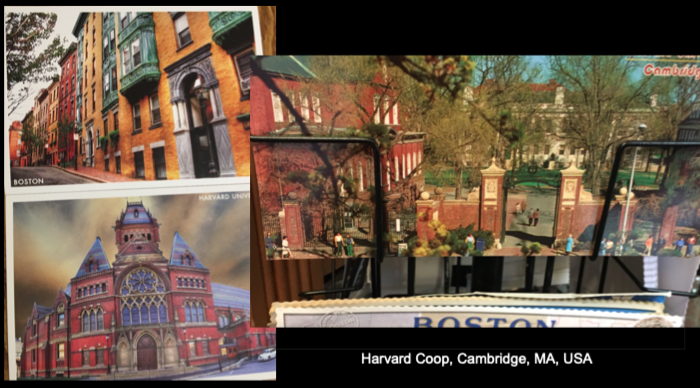
And these are on the racks at the Harvard Coop, Cambridge, MA, USA:

Screen Shot 2019-03-29 at 3.46.57 PM

Note how rarely modern buildings appear—save in the distance, if at all. And what’s for sale, remarkably enough, seems curiously similar: pictures of older bilaterally-symmetrical buildings, with punched windows, distinctive top-middle-and-bottom arrangements and some color and carefully articulated details. Doesn’t seem to matter where you are—the postcards look curiously similar!

How can this be?

A postcard test can be seen as a kind of preference test—without the time and expense of actually setting up a user experience study. It shows what people like to see, and what appeals to them quickly enough they’ll actually reach out and buy it! Postcard sellers around the world can’t afford to create postcards no one buys—so they don’t.

And while the postcards obviously celebrate specific places, they also reflect something else significant and overlooked: who we are and what our internal brain architecture is set up to take in effortlessly.

One explanation for why the postcard test produces similar results around the world is because the same brain, or very similar brains, look at them: that of a bi-pedal mammal that delights in taking in diverse bi-laterally symmetrical shapes with distinct top, middle, bottom arrangements.

What’s also intriguing about the postcard test is that international travel and conference organizers appear to follow its results. They know that people aren’t likely to consider going to places that don’t please the eye instantly.

So, no surprise that a recent International Greenbuild/Europe conference held in Amsterdam* featured centuries-old canal architecture on its web page (see the photo below right) and not a modern LEED green-building or the “Edge Building” (at left) although it’s labeled the most ‘sustainable’ on the planet, and is also in the Dutch capital.

Who would want to head to the glassy techno-wonder at left, when the charming canal buildings beckon so much more effortlessly? They are easier to look at than the glass structure.

It’s all more evidence of how we are a biological and emotional species— not merely a logical one; something more architects, green builders and community designers would do well to consider when they plan our future habitat. First step, head for the postcard rack, or reach out to a postcard designer.

Fact is evolution’s real and quirky; to build the best future for us and other life on the planet, we’d do well to accept it. 

_ _ _ _ _ _ _

*Bottom three slides from ‘Hardwired Secrets of Sustainability: Why Feelings Matter so Much,’ Ann presented at Greenbuild/Europe in Amsterdam, March 20, 2019.

Posted in Architecture, City Planning, Design, Patterns | Leave a comment

1st International Ux+Design/2019 Conference

Genetics of DesignGenetics of Design is thrilled to co-sponsor the 1st International Urban Experience + Design/2019 conference with Tufts University, on April 26, 2019.
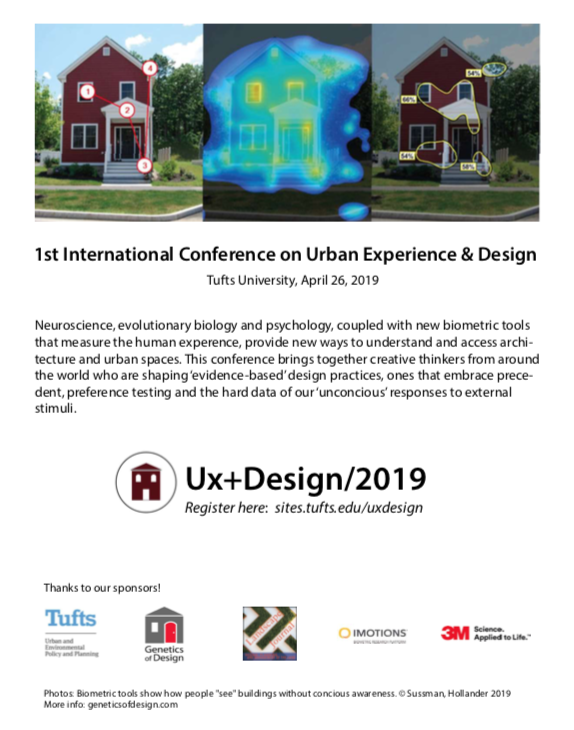
This all-day event in Medford, Massachusetts, will bring together architects, planners and researchers from around the world interested in improving the public realm and using new technologies and understandings from neuroscience to do so.

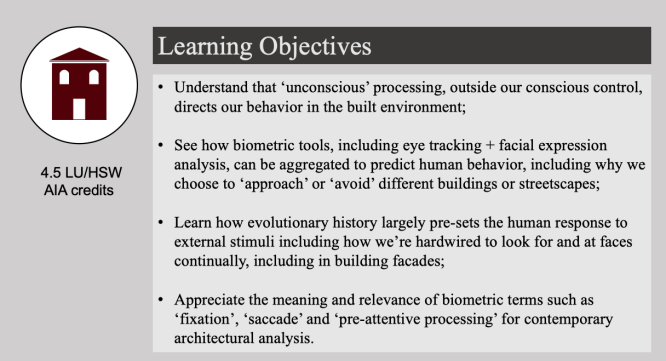
The conference is free for students and young practitioners, a nominal fee ($20) for all others; register here. Architects may receive 4.5 LU/HSW AIA credits for attending.

Looking forward to seeing you! Here’s the event flyer:Screen Shot 2019-03-15 at 11.53.56 PM

Posted in Uncategorized | Leave a comment

“The Primal Pattern” for Architecture Worldwide? the Face

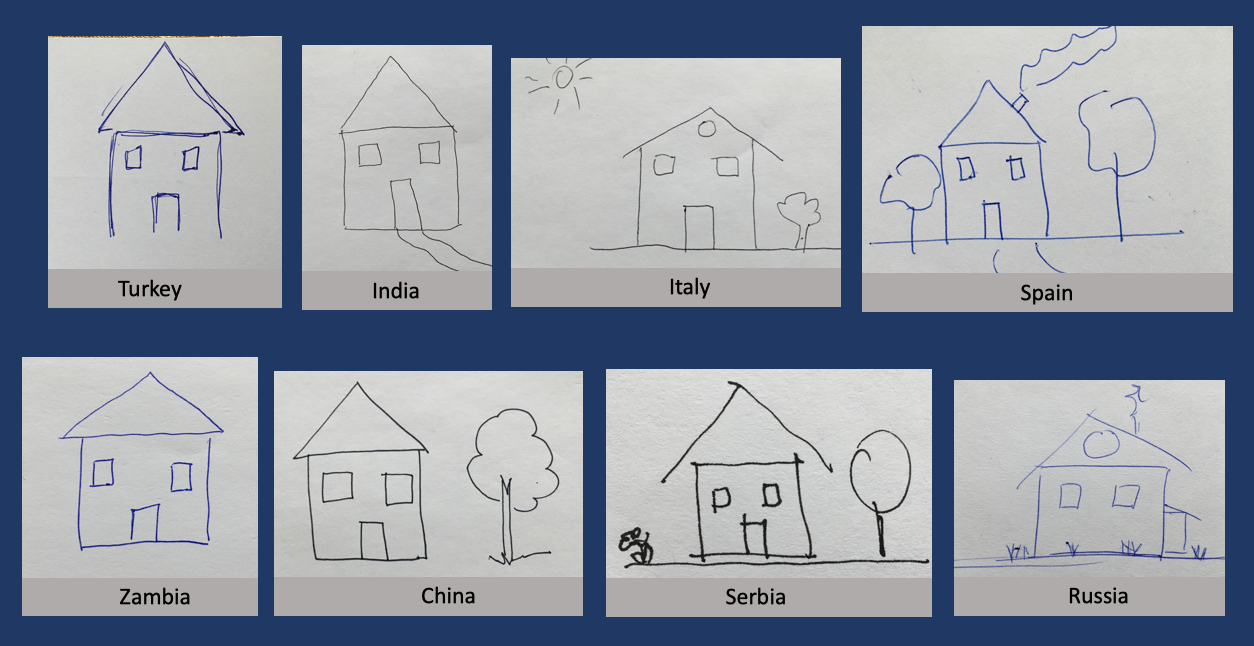
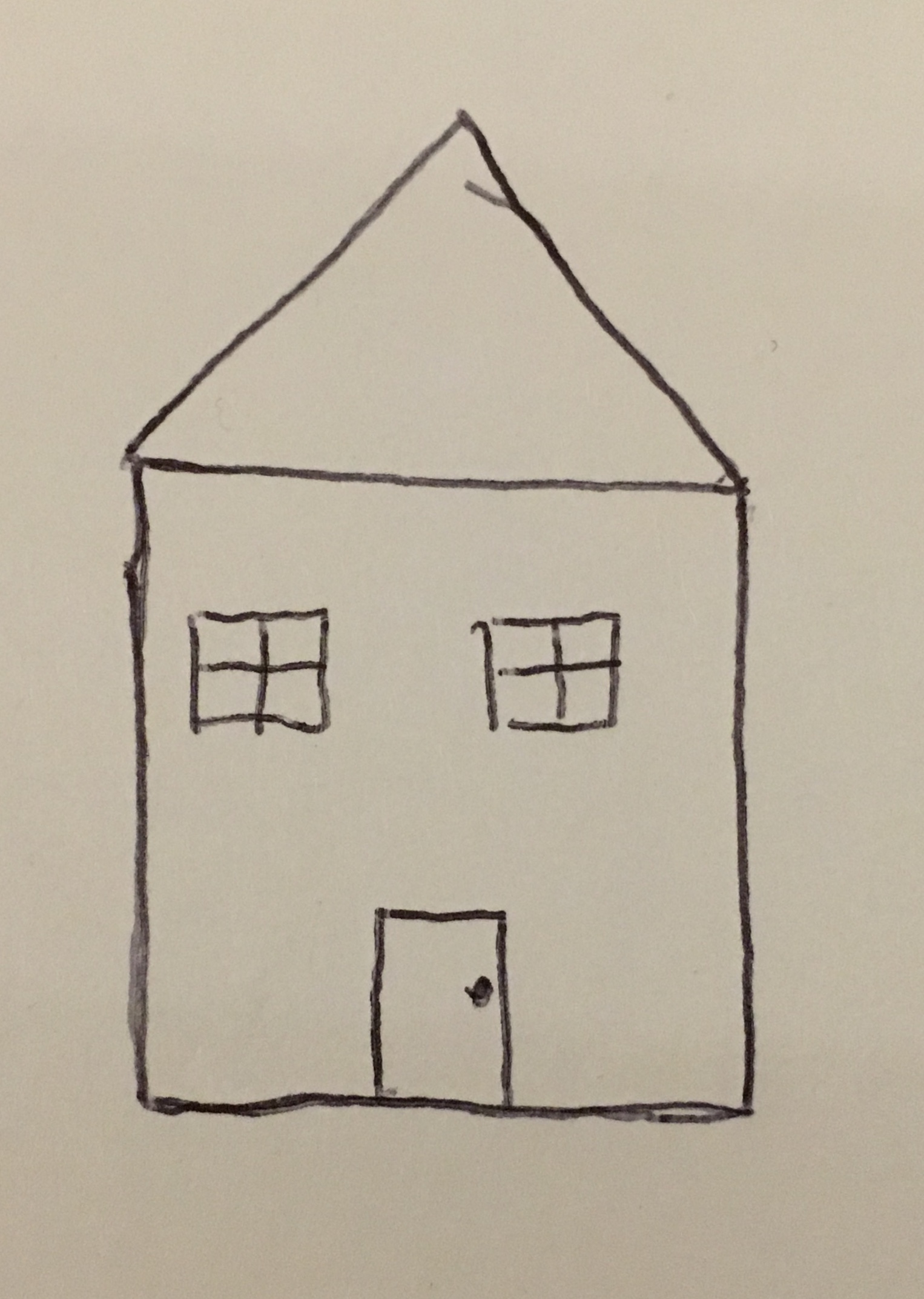
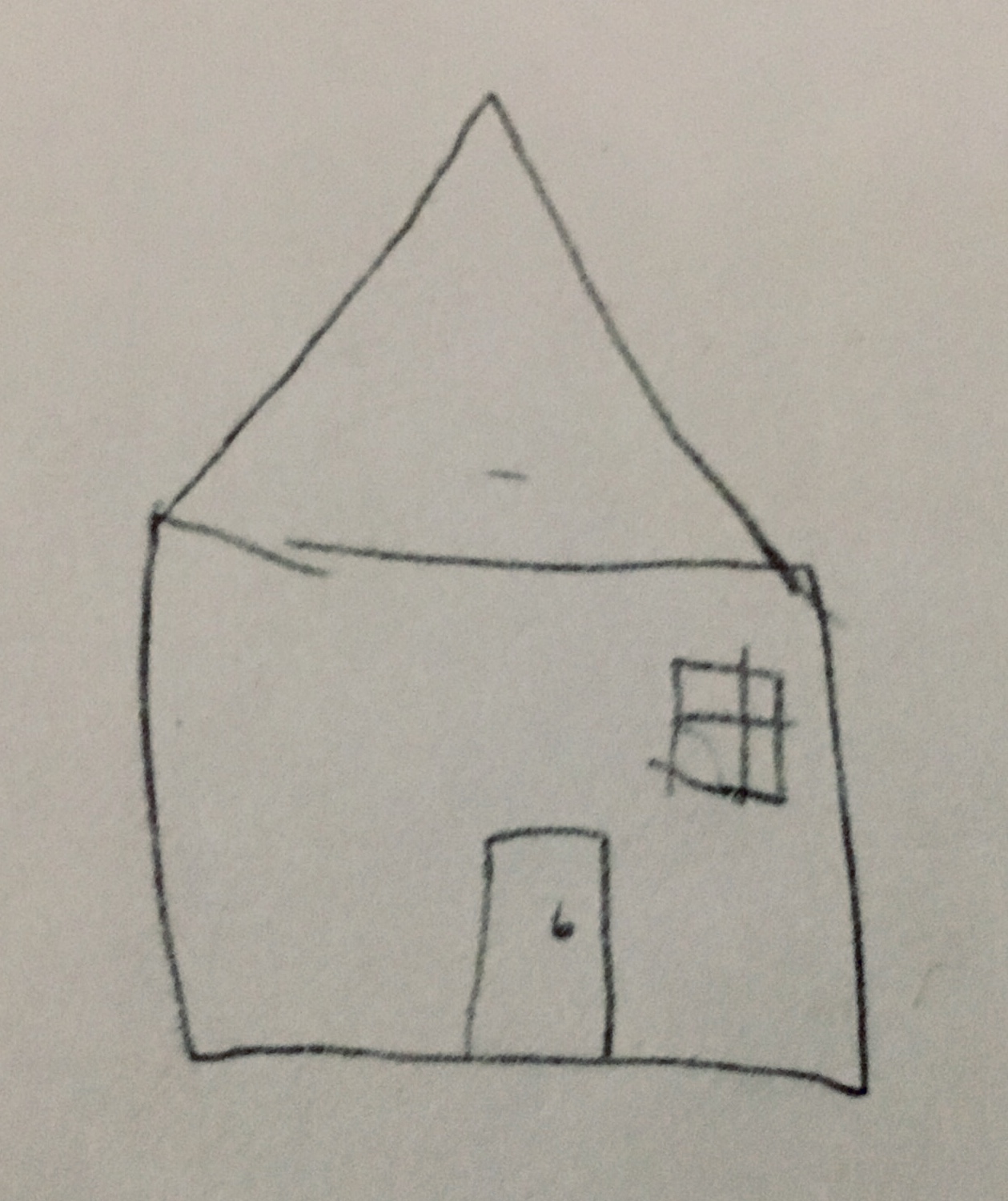
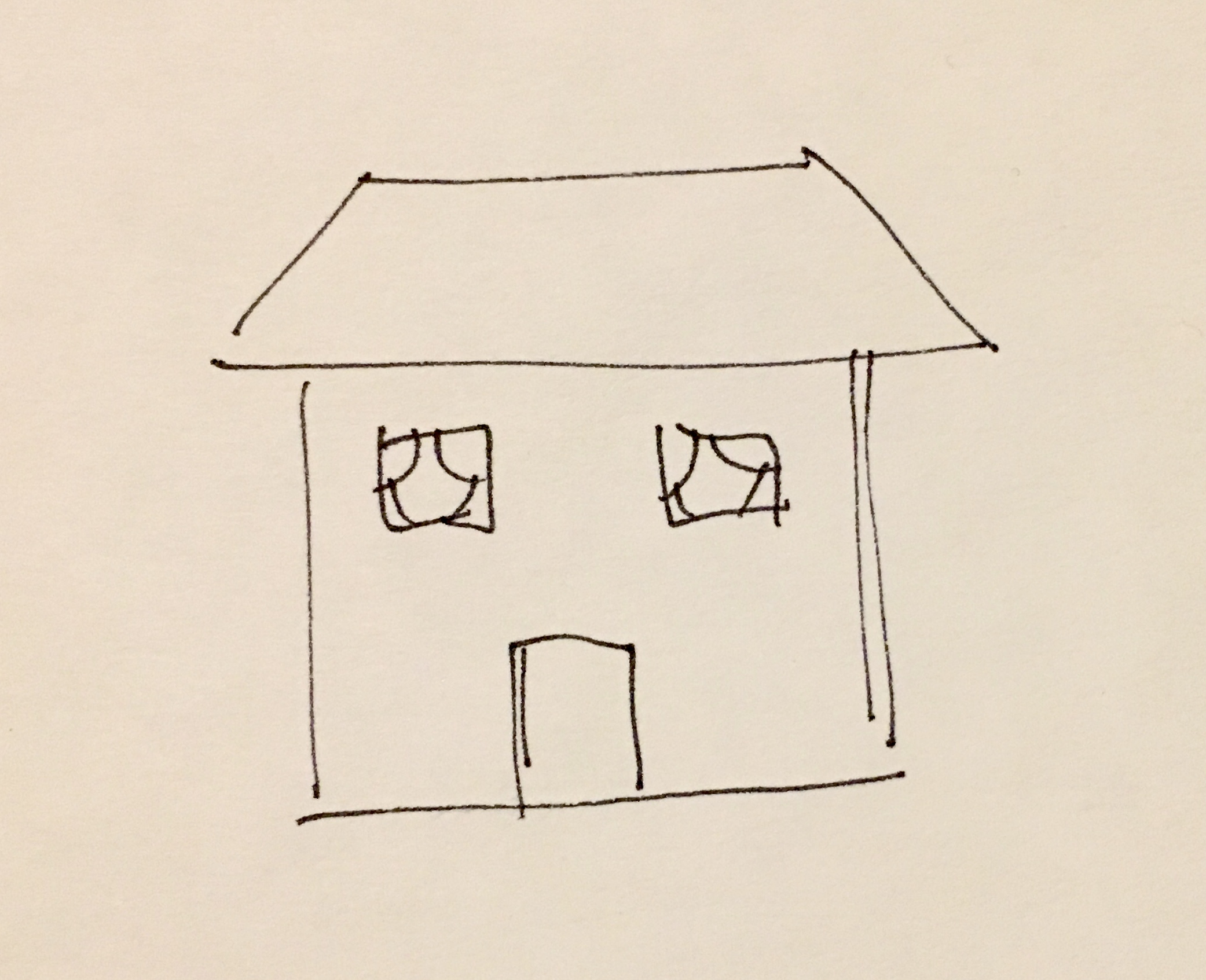
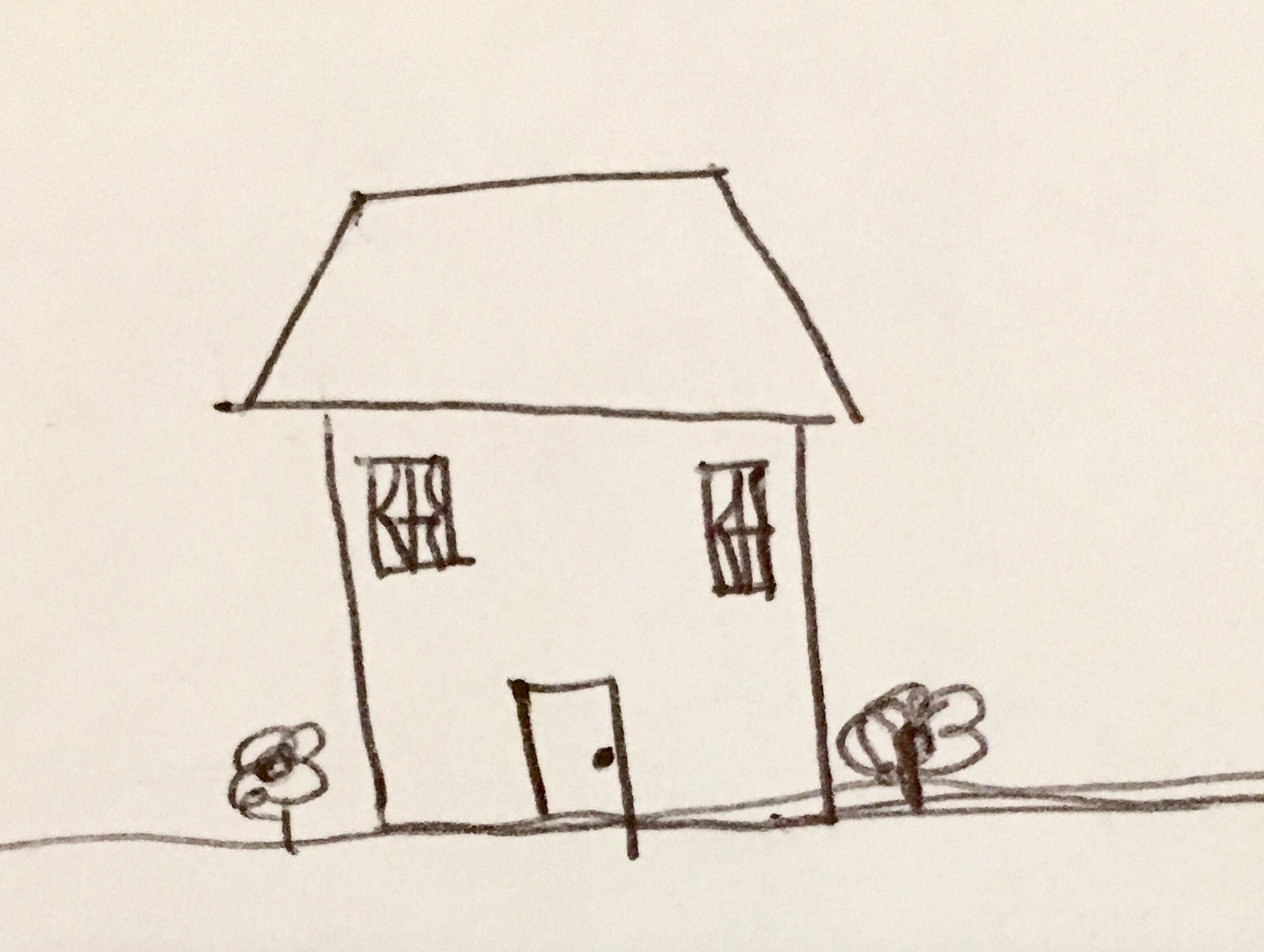
screen shot 2019-01-22 at 9.48.36 pmWhat connects us to other people? One commonality: we share an evolutionary path that gave us very similar internal templates. That’s what the ‘House Experiment’ demonstrates so well. Asked to “draw a house as if they’re five years old,” people draw almost identical images, without looking at anyone else’s work, no matter where they come from. The drawings above are by eight people, born and/or raised in eight different countries on three different continents.

screen shot 2019-01-24 at 5.40.08 pmCultural preferences sometimes creep in, such as in the house above, by someone from Morocco, Northern Africa – but, most often they do not. In fact, it’s astonishing to see two people, at different events, coming from opposite sides of the planet, draw nearly identical houses, as below:



screen shot 2019-01-24 at 5.42.09 pm

How can this be? It goes to show that, no matter our background, we are more the same than we realize and what we most like to see, what most grabs our attention – is pre-set; a version of the face, the pre-eminent pattern for a social species’ development and survival.

img_4679

So, no surprise then, to find the primal pattern happily greeting everyone at the busy International Terminal at JFK airport in NYC – fact is, not only is it what we all draw, it’s also, really, the only choice, worldwide, for drawing us all in.

……………….

Data collected from following lecture venues: Greenbuild/Europe in Berlin, Germany; In U.S., Illinois Institute of Technology (IIT); Greenbuild/International, in Chicago; Boston Architectural College (BAC); Boston Society of Architects (BSA); Stantec in Boston, MA; EYP in Boston, MA; Jacobs in Boston, MA; U.S. Dept. of State, Overseas Building Operations, in Washington DC; Neuroscience for Society meet-up, MIT, in Cambridge, MA; Discovery Museum, Acton, MA; SNEAPA, planning conference in Hartford, CT; CNU planning conference in Savannah, GA; Yale School of Architecture in New Haven, CT; Fitchburg State University (FSU) in Fitchburg, MA.

……………….

For more on the “Primal Pattern”:

The “Primal Pattern” for Architecture is in Us

Thanks to archnewsnow.com for linking to this post.

Posted in Uncategorized | 8 Comments

The “Primal Pattern” for Architecture is in Us

What happens when you ask people to “draw a house as if they were five?”

Last year I gave 19 talks, in the U.S. and Berlin, and asked more than 500 people just that. The results are in – and they are revealing:

img_4559

the Primal Pattern-Embellished

img_4560

the Primal Pattern


In 74% of the cases, people drew – with no direction on anyone’s part – a bilateral symmetrical building with two windows and a centrally placed door (see image above left) or a more embellished version of the same (at right). We call the first, ‘the Primal Pattern’ and the second, ‘the Primal Pattern-Embellished.’

img_4561

the Primal Pattern-Reduced

In 22% of the cases we got a streamlined version, missing a door, or window(s), (see above) or occasionally all blank, or the ‘the Primal Pattern-Reduced.’

In only 4% of the cases did we get more unique interpretations; a floor plan, a room interior, in one instance, a castle.

Remarkably, the drawings varied little even if people were born or grew up outside North America or the U. S.; in fact, 32% of participants came from other continents (South America, Europe, Asia, Africa and Australia). Roof designs varied in some of these cases but not much else.

img_4610

Turkey

img_4603

Tanzania

img_4604

Indonesia


So, why do people make such similar drawings? They can’t help it. The primal pattern, a version of the face, is in our DNA; it’s what we’re meant to see. Remember, we don’t see ‘reality,’ we see what nature wants us to ‘see’ based on our unique 3.8 billion-year-evolutionary trip; the process has preset the most important imprint for our lives.

“We are fundamentally social creatures – our brains are wired to foster working and playing together,” writes Bessel van der Kolk, MD, in The Body Keeps the Score (2014). And that’s just what the House Experiment demonstrates; everyone draws a face-like object because it’s the prime vehicle for human interaction and social engagement.

And why does this matter?

To build successfully for people: encouraging healthy communities, creating walkable byways, and promoting sustainable resource use, we need to recognize who we are and what we’re built to see.  It can’t be any other way, actually.  Streetscapes with primal patterning in their architecture will always be easier for us to walk down and feel at home in than ones without. Tracking primal patterning may even prove useful for understanding urban impact, and moving forward, building successful developments in the future.

After all, in the 21st century, isn’t it time to make Mother Nature proud?

Author: Ann Sussman
Editor: Janice M. Ward

Data analysis: Andrea Saunders, MSEE

Talk venues: Greenbuild/Europe in Berlin, Germany; In U.S., Illinois Institute of Technology (IIT); Greenbuild/International, in Chicago; Boston Architectural College (BAC); Boston Society of Architects (BSA); Stantec in Boston, MA; EYP in Boston, MA; Jacobs in Boston, MA; U.S. Dept. of State, Overseas Building Operations, in Washington DC; Neuroscience for Society meet-up, MIT, in Cambridge, MA; Discovery Museum, Acton, MA; SNEAPA, planning conference in Hartford, CT; CNU planning conference in Savannah, GA; Yale School of Architecture in New Haven, CT; Fitchburg State University (FSU) in Fitchburg, MA.

Posted in Uncategorized | 9 Comments

How Architecture Makes Us Feel – Matters!

“I’ve learned that people will forget what you said,
people will forget what you did,
but people will never forget how you made them feel.”
― Maya Angelou

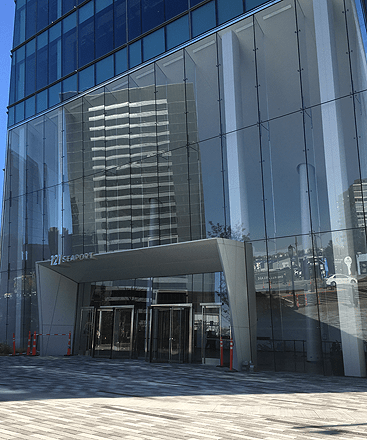
121seaport

Sharp edges on the new, shiny glass tower at 121 Seaport, Boston, say, “You don’t matter.”

Maya got that right: people never forget how you make them feel. The same could be said of the buildings we live and work in. Who would want to enter the new glass box at left?

A recent BBC article describes The Hidden Ways That Architecture Affects Us—how “buildings and cities can affect our mood and well-being, and that specialized cells in the hippocampal region of our brains are attuned to the geometry and arrangement of spaces we inhabit.”

These scientific studies reveal that people embrace green spaces, patterns, colors and curves, while we shun sharp edges, blank facades and vast, unsheltered spaces. Buildings speak to us – wordlessly saying:

“Come stay with us.”
“I’m here for you,” or
“You don’t matter at all.”

And people respond accordingly, approaching or avoiding a place—or entire sections of a city.

On a recent trip to the Seaport District in Boston, we paid particular attention to the sentiments in the air, comparing the old and new blocks by the ocean.

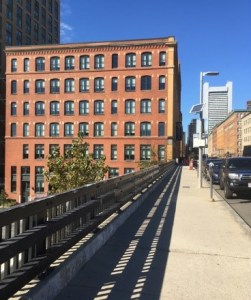
summerstreet

Visit my space,” the old brick building on Summer Street said.

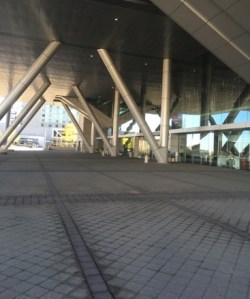
conventioncenter

“Stay away,” the Boston Convention Center told us.

milkbottle

“Bring the kids,” boomed the antique Milk Bottle.

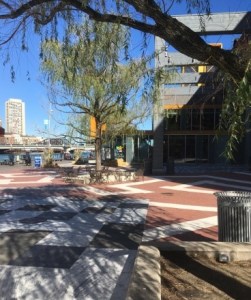
patio

“Enjoy my harbor view,” said the patio.

And we came away with one certain conviction: the old blocks beckon much more than the shiny, new ones do.

We saw that buildings and blocks can be unforgettable depending on how they made us feel. And come to think of it, it can’t be any other way, of course, for like with people—how they make us feel is what really matters.

Author: Janice M. Ward,
Editor: Ann Sussman

Posted in Uncategorized | 1 Comment

Next Step for Architecture? Embracing the Biology of Human Perception

Screen Shot 2018-11-18 at 9.50.28 PM


© geneticsofdesign.com + ecoempathy.wordpress.blogspot.com


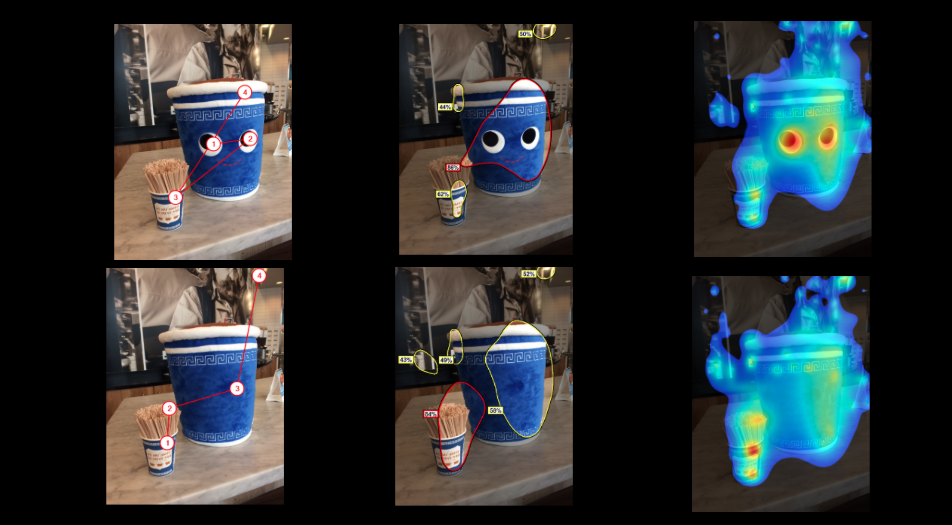
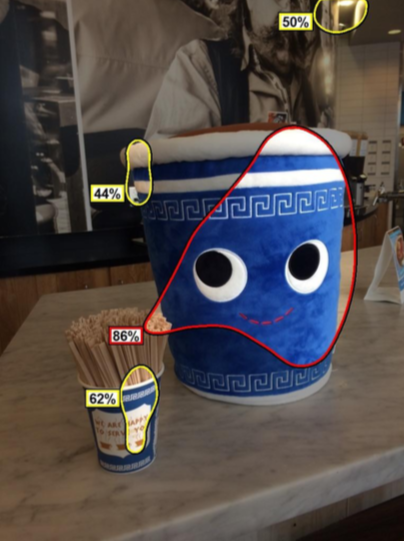
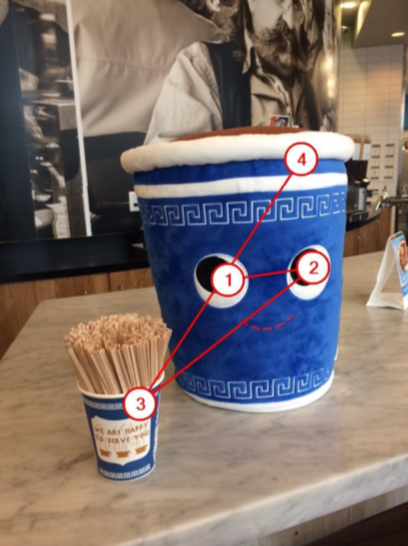
How do we look at the world? Like the animal we are!  The images above shows how we look at a coffee cup differently when it has ‘eyes’ on it – even if fake!  Our brain, an artifact of 3.8 billion years of evolution would never let us do otherwise! It’s simply too dangerous from its perspective.  So when we see the eyes on the plush cup at a coffee bar we go straight for them unconsciously (in pre-attentive processing); and when they’re removed we’ll focus attention more on the sharp shapes (toothpicks) in front.*

Why does this matter? Well, turns out it’s huge if you care about building better places for people.

“Architects today face a unique opportunity to reshape the environment so it’s a better fit with our biological nature. They are in an unprecedented position to use evidence-based design and build what people want to, unconsciously, see and be in. With new biometric tools, they can more easily do postoccupancy evaluations, asking people where they feel at their best, ensuring that new projects are rooted in successful precedent—for real.”

Evolution is real and fascinating; to build healthy sustainable places for people, designers need to look into it. Read more at Architectural Digest site: Why Architectural Education Needs to Embrace Evidence-Based Design, Now .

* Images made with 3M’s VAS software.

Posted in Uncategorized | Leave a comment

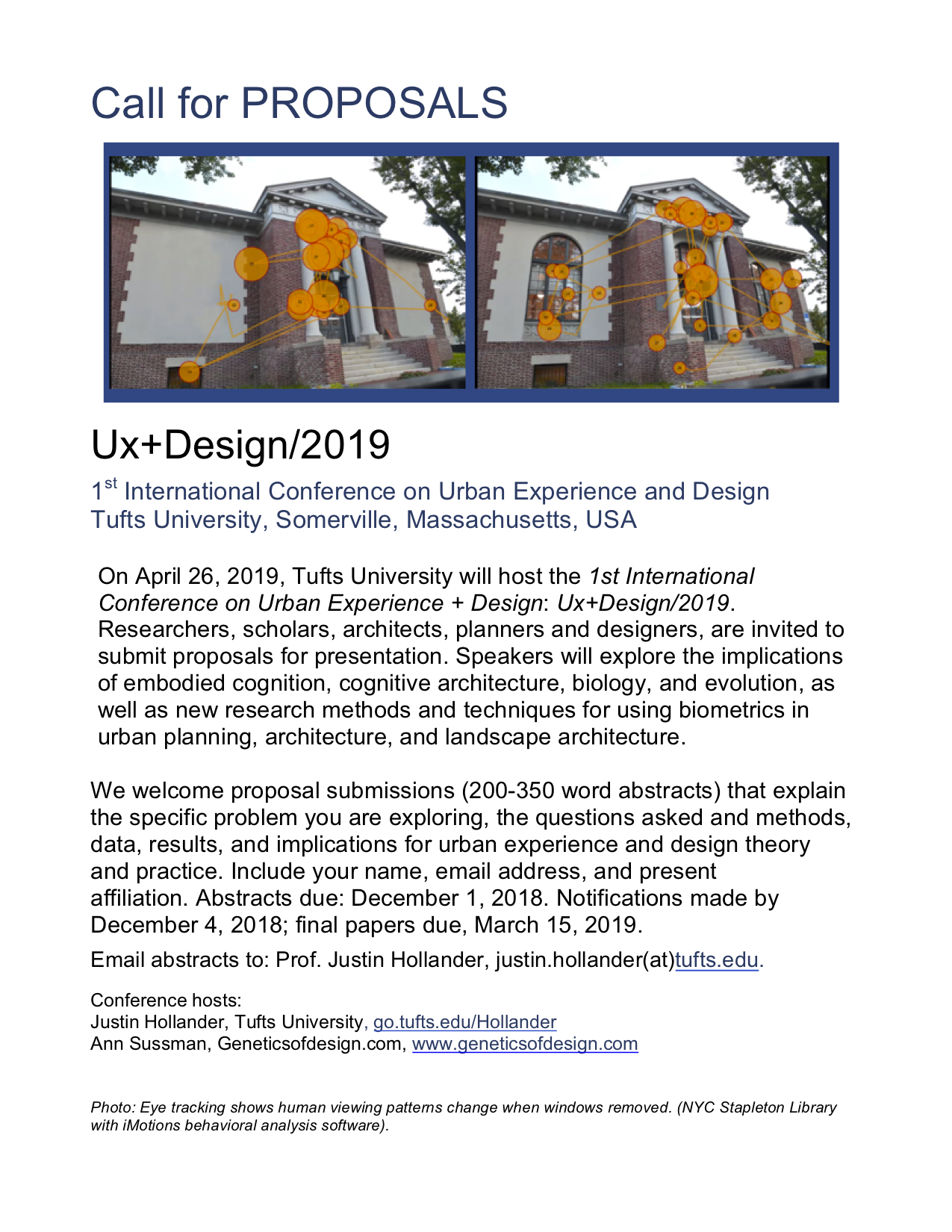
1st Ux+Design/2019 Conference: Call for Proposals

Call for PROPOSALS.10-31For Tufts link see: https://sites.tufts.edu/uxdesign/

For ArchNewsNow.com link: 11.06.2018


Posted in Uncategorized | Leave a comment

‘How Do We See our World?’: a fun Flash-card Game, Debuting at Discovery Museum in Acton, MA, October 5th, Shows You!


Screen Shot 2018-09-17 at 10.44.55 AMScreen Shot 2018-09-17 at 10.44.40 AM

How Do We See our World?

What grabs our eye first, second + third?

Come find out at the Discovery Museum in Acton, MA on Friday, October 5, 2018, from 4:30 – 7 PM. Admission’s free. It’s fun for all ages.

Our thanks to the Acton-Boxborough Cultural Council (ABCC) for providing Genetics of Design with funding to create this program; our high-school interns, Christopher Duncan, Siraj Chokshi, and Anindita Lai for helping run it; and 3MVAS.com for the software making it all possible, bringing science to life.


Posted in Uncategorized | Leave a comment

Winning Photos Show How We Truly ‘See’ Buildings

How does architecture catch the eye?

The 2018 Acton-Boxborough Photo Contest, an art-science project, run by Genetics of Design, with help from high school students and supported by a local Cultural Council (ABCC), came up with these intriguing answers.

Screen Shot 2018-07-18 at 9.04.51 PMScreen Shot 2018-07-18 at 9.13.04 PM

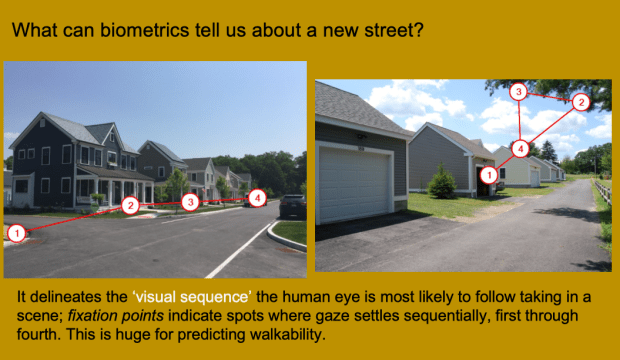
In 1stPlaceWoodlawn Chapel, Acton, by Sandra Hinds predicts the visual sequence people will likely take the first few seconds they see the building, at left; the original photo’s at right.

Screen Shot 2018-07-20 at 4.44.02 PM

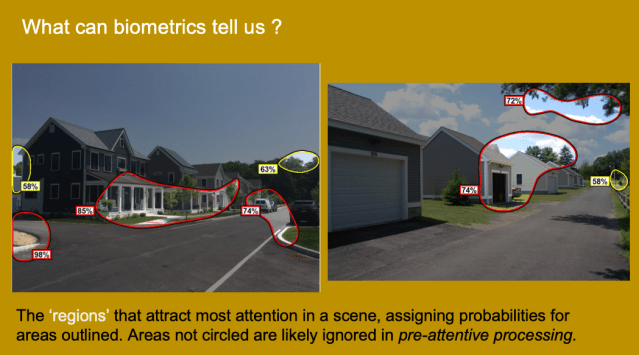
Screen Shot 2018-07-18 at 9.03.15 PMIn 2ndPlaceRed Barn in West Acton, by Christopher Duncan shows the ‘regions’ which draw in the eye, and likelihood of doing so as a percentage (areas outside delineations are ignored); the original image is at right.

Screen Shot 2018-07-20 at 4.53.22 PM

Screen Shot 2018-07-20 at 4.52.39 PM


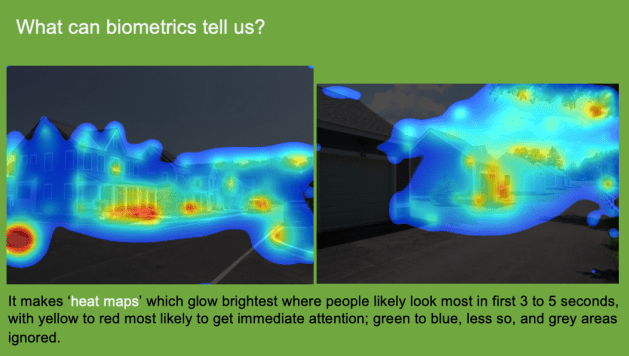
In 3rdPlace, Acton Memorial Library, by Sanjana Cheerla, above, shows a heat map glowing brightest where people will likely look most, fading to grey and black in areas they’ll ignore; the original is at right.

High school students took the photos and interns Anindita Lal and Siraj Chokshi, working with Genetics of Design, selected them from more than three dozen entries. Winning photos were chosen based on composition, originality and the quality of images they generated using software that predicts how people look at things during pre-attentive processing, that’s in the first 3-5 seconds before the conscious brain can get into the act.

3M’s Visual Attention Software (VAS), based on 30-years of eye-tracking research studying how human eyes move, created the heat maps, visual sequence and regions of interest diagrams shown here. Interns Anindita Lal, Siraj Chokshi, and Christopher Duncan ran the original photographs through the VAS to display these intriguing findings. They help us understand how the human brain is hardwired without conscious control to seek out areas of contrast, edges, faces and has an affinity for the color red.

The images and others like them will be on display at the Discovery Museum in Acton, MA this August. The intent is to make learning about science and biology fun; studies like these can also be useful in understanding way finding and walkability and implementing designs that improve it.

Posted in Uncategorized | Leave a comment