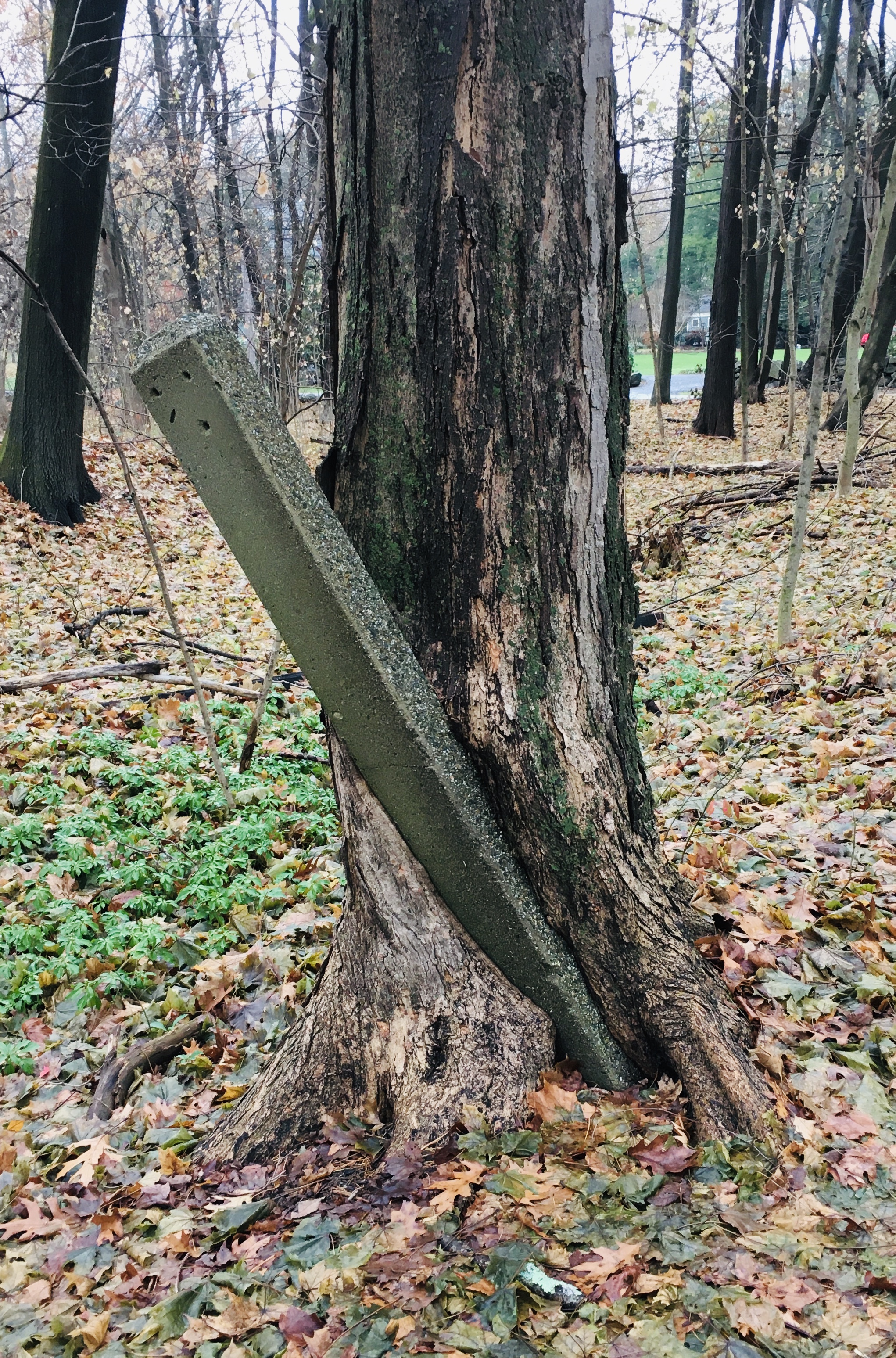
Nature walks relieve stress, curb anxiety, and help us feel calm. That’s what we found on a recent walk through the woods in Concord, Massachusetts, and now there’s more science to back it up.

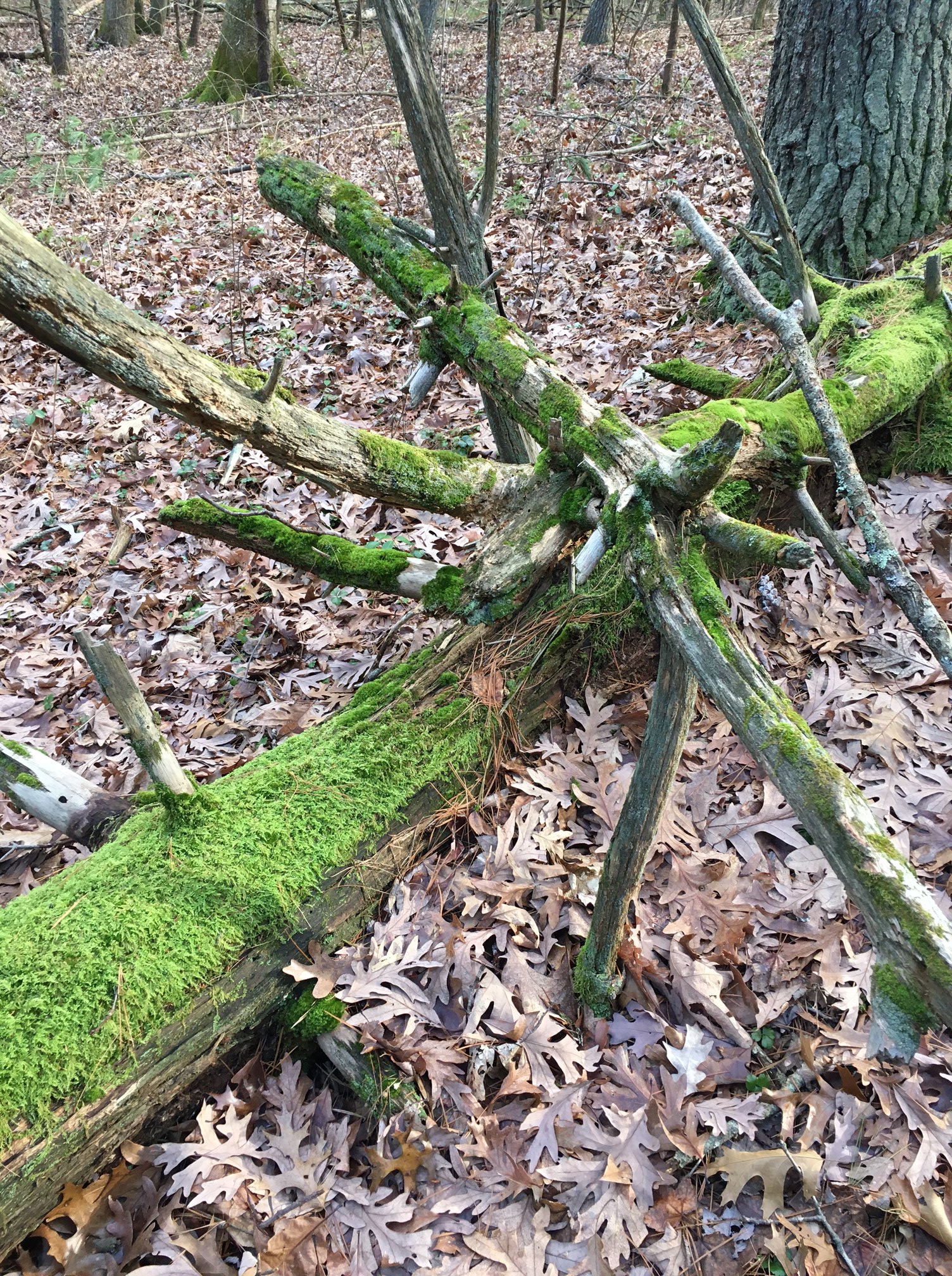
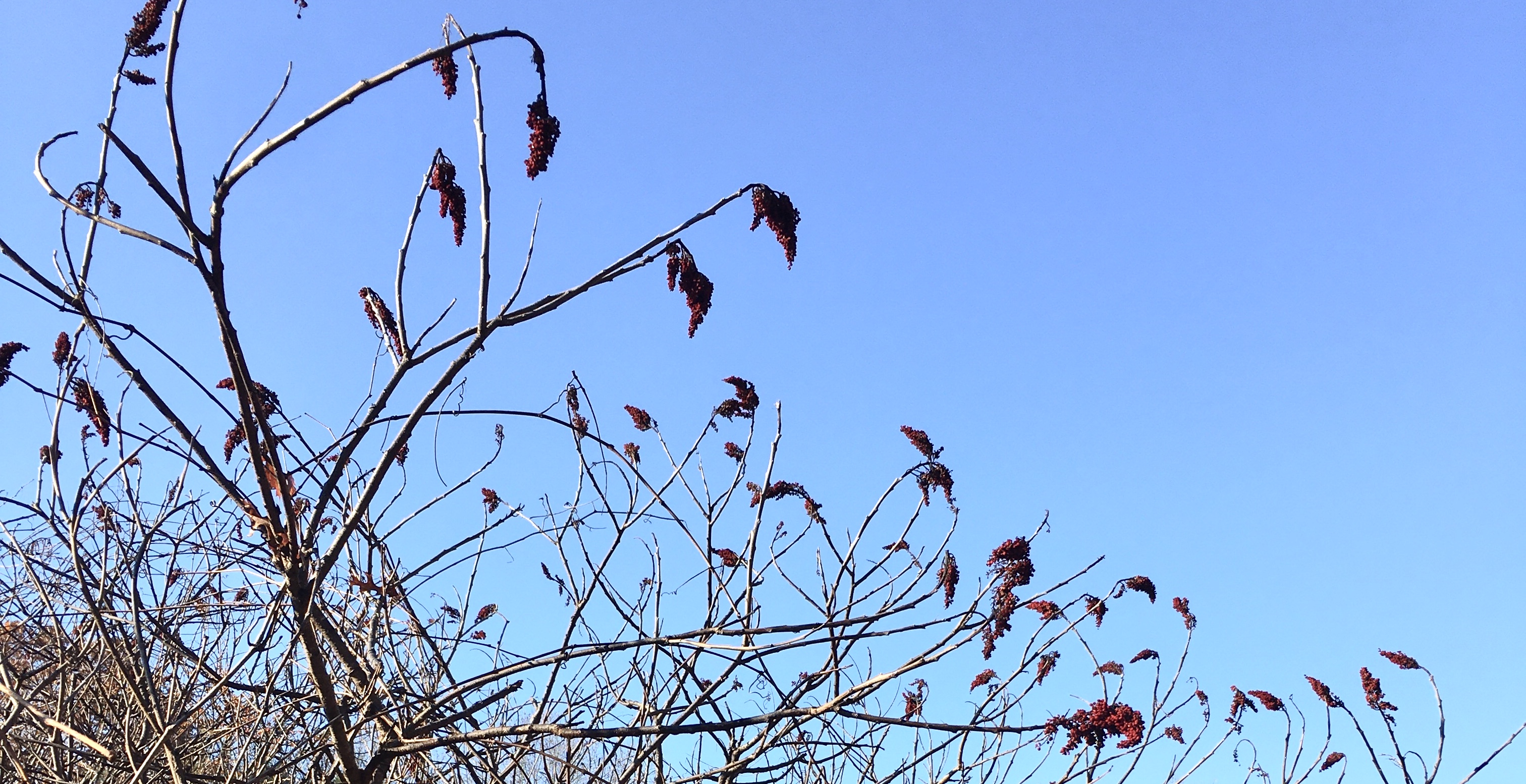
Outside in nature, we easily take in patterns called fractals. What makes fractal patterns unique is that they repeat at varying scales. Fractals are in pine cones, like the ones above, the bark of a tree and the veins of a leaf—any form where the same shape recurs in different sizes. In fall foliage, fractals abound—from spiral repeats in the pine cones to ever-changing branching patterns in trees. And that turns out to be truly important, a recent article in Psychology Today explains: Studies show that “exposure to fractal patterns in nature reduce people’s levels of stress up to 60%.”

And there’s more, according to Science Daily: “Just 20 minutes of contact with nature will lower stress hormone levels. [This] study has established for the first time the most effective dose of an urban nature experience. Healthcare practitioners can use this discovery to prescribe ‘nature-pills’ in the knowledge that they have a real measurable effect.”

And, why do fractals soothe? An article in the Atlantic explains:
“Your visual system is in some way hardwired to understand fractals. The stress-reduction is triggered by a physiological resonance that occurs when the fractal structure of the eye matches that of the fractal image being viewed. If a scene is too complicated, like a city intersection, we can’t easily take it all in, and that in turn leads to some discomfort, even if subconsciously. It makes sense that our visual cortex would feel most at home among the most common natural features we evolved alongside. So perhaps part of our comfort in nature derives from fluent visual processing.”
In other words, fractals fit what we are built to see.
We evolved with them and they are also in us: our eyes, brain and veins all follow fractal arrangements. So take a break, and as time allows, take this prescription: a 20-minute Nature Walk with Fall Fractals.
It will help you, ‘Keep Calm + Carry On,’ as that old British slogan goes. And what could be more important for everyone in our times. 🙂